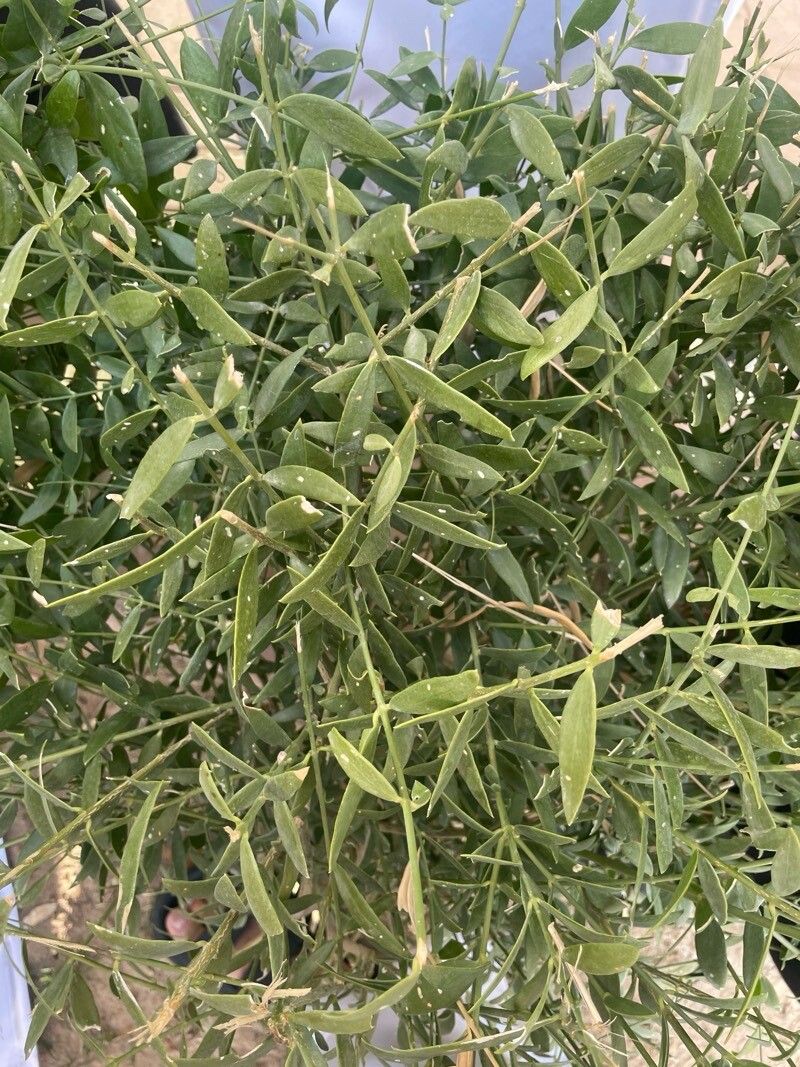
Hey there, fellow garden enthusiasts! If you’ve ever admired the graceful elegance of Salvadora persica – that beautiful plant often called the “toothbrush tree” for its unique historical use – you’re in for a treat. Its delicate leaves and versatility make it a joy to have around, and propagating it can be incredibly rewarding. For those of you just dipping your toes into the world of plant propagation, Salvadora persica might present a little challenge, but don’t let that deter you! With a bit of patience and these tips, you’ll be well on your way.
The Best Time to Start
Hands down, the spring and early summer are your golden windows for propagating Salvadora persica. This is when the plant is actively growing, full of vigor, and has plenty of energy to put into developing new roots. Aim for when new growth is tender but not brand new, about 4-6 inches long. It’s like catching it at its peak!
Supplies You’ll Need
Gathering your tools beforehand makes the whole process smoother. Here’s a little checklist:
- Sharp, clean pruning shears or a knife: For making clean cuts. Sterilize them with rubbing alcohol to prevent disease.
- Rooting hormone (optional, but recommended): A powder or gel that encourages root development.
- Well-draining potting mix: A blend of perlite, peat moss, and compost works wonders. You can also buy dedicated succulent or cactus mix.
- Small pots or seed trays: Clean ones are a must!
- Plastic bags or a propagation dome: To create a humid environment.
- Watering can or spray bottle: For gentle watering.
- Chopsticks or skewers: For making planting holes.
Propagation Methods
Let’s get our hands dirty! I find stem cuttings are the most reliable way to go with Salvadora persica.
Stem Cuttings
- Take Your Cuttings: Select healthy, non-flowering stems that are about 4-6 inches long and have at least a few sets of leaves. Using your sterilized shears, make a clean cut just below a leaf node (where a leaf attaches to the stem).
- Prepare the Cuttings: Gently remove the lower leaves from your cuttings, leaving only the top two or three sets. This prevents them from rotting in the soil. If the leaves are quite large, you can even cut them in half to reduce moisture loss.
- Apply Rooting Hormone: Dip the cut end of each stem into your rooting hormone powder or gel. Tap off any excess. This step really gives your cuttings a boost!
- Plant Your Cuttings: Fill your small pots or trays with your well-draining potting mix. Use a chopstick or skewer to make a hole for each cutting. Gently insert the treated end of the cutting into the hole, making sure at least one leaf node is below the soil surface. Firm the soil gently around the stem.
- Create a Humid Environment: Water the soil lightly. Then, cover the pots with a plastic bag or place them under a propagation dome. You want to create a mini greenhouse effect. Make sure the leaves don’t touch the plastic.
- Provide Bright, Indirect Light: Place your cuttings in a spot that receives bright, indirect sunlight. Avoid direct sun, which can scorch them.
The “Secret Sauce” (Pro Tips)
Over the years, I’ve learned a few tricks that can make all the difference:
- Don’t Be Afraid of Bottom Heat: Salvadora persica, like many plants, absolutely loves a little warmth from below. Placing your pots on a gentle heat mat, especially during cooler spring days, can dramatically speed up root formation. You just want it comfortably warm, not hot.
- Air Circulation is Key: While humidity is vital, stagnant, overly moist air can invite fungal diseases. Once you see signs of rooting (a gentle tug will reveal resistance), start gradually increasing ventilation. You can do this by opening the plastic bag for longer periods each day or by temporarily removing the dome.
- Less is More with Watering: It’s super tempting to keep the soil constantly moist, but Salvadora persica thrives on a bit of dryness between waterings. Let the soil surface dry out slightly before watering again. Overwatering is a guaranteed way to invite rot.
Aftercare & Troubleshooting
Once you see new growth emerging from the top of your cutting, it’s a good sign that roots are forming! You can also try a very gentle tug on the cutting. If it resists, you’ve got roots!
- Gradual Acclimation: Once roots are established, slowly acclimate your new plants to normal room conditions. Gradually remove the plastic bag or dome over a week or two.
- First Potting: When your new plant is a decent size and has a good root system, you can transplant it into a slightly larger pot with fresh potting mix.
- Watch for Rot: The most common culprit for failure is rot. You’ll notice yellowing leaves, a mushy stem base, or a blackening at the soil line. If this happens, the cutting is usually lost. Prevention through proper watering and well-draining soil is your best defense.
Propagating plants is such a satisfying journey. It teaches you patience and observation. Don’t get discouraged if your first few attempts aren’t perfect. Every gardener has lost a cutting or two! Keep experimenting, enjoy the process of nurturing new life, and soon you’ll be surrounded by your own little Salvadora persica family. Happy gardening!
Resource:
https://identify.plantnet.org/k-world-flora/species/Salvadora%20persica%20L./data