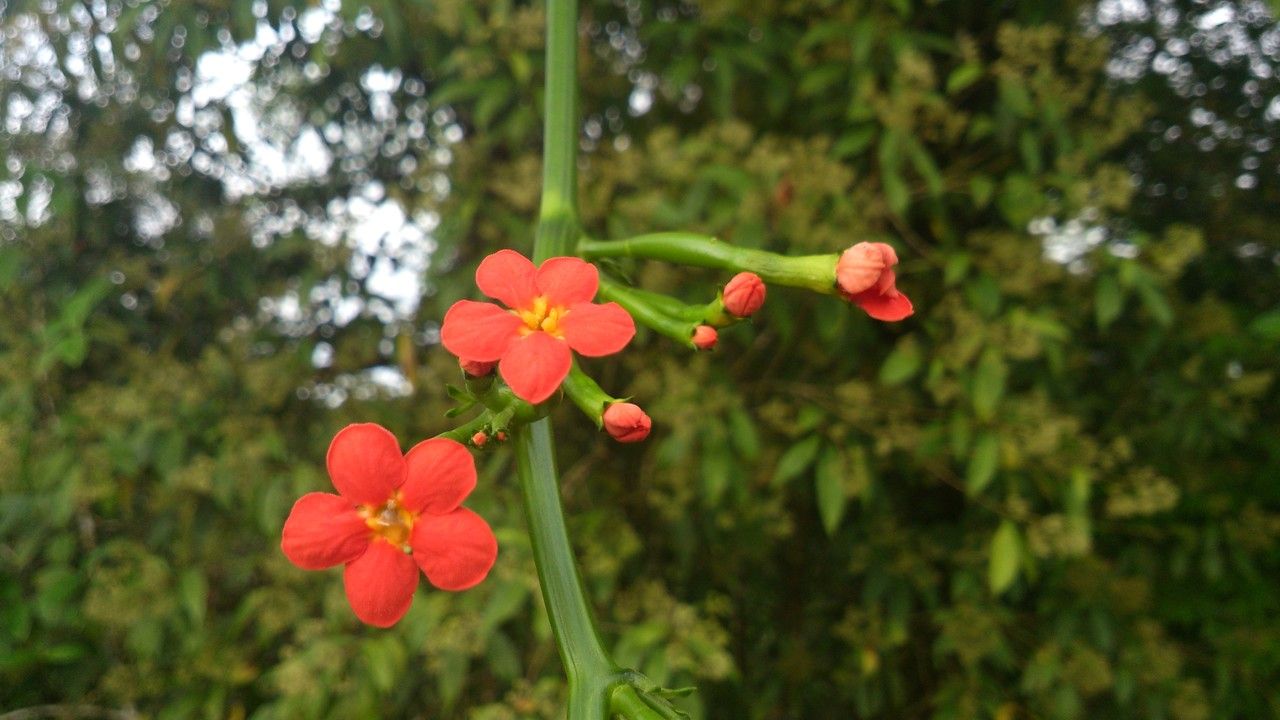
Hey there, fellow plant lovers!
I’m so excited to chat with you today about a truly spectacular vine: Psiguria warscewiczii. If you haven’t encountered this beauty before, imagine vibrant, trumpet-shaped orange flowers cascading down, drawing in hummingbirds and fluttering butterflies. It’s a real showstopper, and the process of coaxing new plants from it is incredibly rewarding. Now, I’ll be honest, Psiguria warscewiczii isn’t usually the first plant I’d recommend to someone who’s just starting out in the propagation world. It can be a little finicky, but with a bit of care and this guide, you’ll be well on your way to success.
The Best Time to Start
For the highest chance of success, spring is really your golden ticket. As the days get longer and warmer, your established Psiguria will be bursting with energy, making it the perfect time to take cuttings or divide root systems. Look for healthy, vigorous growth. You want to snipe pieces that aren’t flowering or fruiting yet, as that energy is best directed towards root development.
Supplies You’ll Need
Gathering your supplies beforehand makes the whole process go much smoother. Here’s what I always have on hand:
- Sharp, clean pruning shears or a razor blade: Crucial for making clean cuts that heal well.
- Rooting hormone powder or gel: This little helper encourages root formation. Look for one containing IBA (indole-3-butyric acid).
- A well-draining potting mix: I like a blend of equal parts perlite, peat moss, and coco coir. You can also buy specific cactus or succulent mixes.
- Small pots or seedling trays: Clean pots are a must to prevent disease.
- Clear plastic bags or a propagator lid: To maintain humidity around your cuttings.
- Water: For watering and, if you choose, water propagation.
- A spray bottle: For gentle misting.
- Labels: Because trust me, you’ll forget which cutting is which!
Propagation Methods
Psiguria warscewiczii is best propagated from stem cuttings or division. I’ll walk you through both.
Stem Cuttings
This is my go-to method for Psiguria.
- Take Your Cuttings: In spring, select healthy, non-flowering stems that are about 6-8 inches long. Make a clean cut just below a leaf node (where a leaf attaches to the stem).
- Prepare the Cuttings: Gently remove the lower leaves from the cutting. You want to expose at least two nodes without leaves.
- Apply Rooting Hormone: Dip the cut end of the stem into your rooting hormone, tapping off any excess. This is a crucial step!
- Plant the Cuttings: Fill your small pots with your prepared potting mix, lightly moisten it, then use a pencil or your finger to make a hole. Insert the cutting into the hole, ensuring at least one leaf node is buried beneath the soil surface. Gently firm the soil around the base.
- Create a Humid Environment: Water the soil gently. Then, cover the pot with a clear plastic bag, supported by stakes so it doesn’t touch the leaves, or place it inside a propagator with a lid. This keeps humidity high, which is vital for the cutting to form roots before it dries out.
- Provide Light and Warmth: Place the pot in a bright location, but out of direct sunlight. A warm windowsill is often perfect.
Division
If you have an established plant, you might be able to divide its root ball.
- Gently Remove from Pot: Carefully take your Psiguria out of its current container.
- Assess the Root Ball: Look for natural divisions where you can see separate root systems.
- Separate the Roots: Using your hands or a clean trowel, gently pull the root ball apart. If it’s stubborn, you might need to use a sharp knife or pruning shears to cut through thicker roots, being sure to cut cleanly.
- Replant: Pot up each division into its own container with fresh potting mix, just as you would a regular plant. Water them in well.
The “Secret Sauce” (Pro Tips)
Here are a couple of things that have really helped me get consistent results with Psiguria:
- Act Fast: Once you take a cutting, get it into its rooting medium as quickly as possible. The longer the cut end is exposed to air, the more likely it is to dry out and fail. I usually prepare my pots with soil right before I go out to take the cuttings.
- Bottom Heat is Your Friend: If you’re serious about propagation, a heat mat placed under your pots can make a world of difference. This gentle warmth encourages root development much faster and more reliably than relying on ambient room temperature alone. It mimics the warmth of spring soil, which is exactly what a cutting is looking for.
Aftercare & Troubleshooting
Once your cuttings are planted and humidified, be patient! You’ll want to check the soil moisture regularly. Aim to keep the soil consistently moist but not waterlogged. Mist the leaves lightly every few days if they look a bit parched, but avoid overwatering.
You’re looking for signs of new growth, like tiny leaves or stem elongation, which usually indicates roots have formed. This can take anywhere from 3-8 weeks, sometimes even longer. Once you see good new growth, you can gradually acclimate your new plant to lower humidity by opening the plastic bag a little each day, or by removing the propagator lid for longer periods. When the plant looks sturdy and you can tug it gently without resistance, it’s ready for a slightly larger pot.
The main culprit for failure with Psiguria cuttings is rot. If you notice your cutting turning mushy and black, it’s likely succumbed to too much moisture and not enough air circulation. Good drainage and avoiding soggy soil are your best defense against this. If you see wilting without any sign of rot and the soil is moist, it could be that the cutting hasn’t rooted yet and is simply using up its stored energy. Don’t give up immediately!
A Encouraging Closing
Propagating Psiguria warscewiczii might take a little extra patience, but seeing those first tiny roots emerge and then watching a new plant unfurl its leaves is a feeling like no other. Don’t be discouraged if your first attempt isn’t perfect. Every plant is a learning experience, and each success builds your confidence. Enjoy the journey, and soon you’ll have even more of these stunning vines to admire and share! Happy propagating!
Resource: